
Will I Suffer from Altitude Sickness on Helicopter Tours in Nepal?
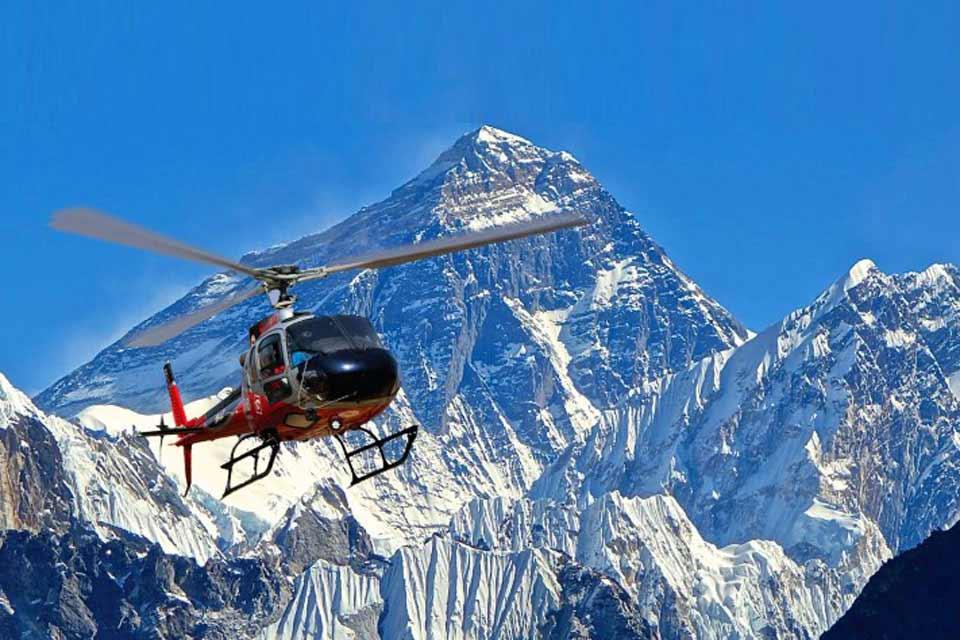
Overview
- Category: Travel & Visa
- Delivery: Not Available
- Condition: Not Specified
- Service Type: Travel & Tourism
Description
Altitude sickness, also known as acute mountain sickness (AMS), can affect anyone who ascends to high altitudes quickly. Helicopter tours in Nepal often involve rapid ascents to high-altitude destinations such as Everest Base Camp or the Annapurna region, which can put passengers at risk of experiencing altitude sickness. Here’s what you need to know about altitude sickness and helicopter tours:
Factors to Consider
- Rapid Ascent: Helicopter tours ascend quickly to high altitudes, often exceeding 4,000 meters (13,123 feet) in a short time. This rapid change doesn’t give the body sufficient time to acclimatize.
- Duration at Altitude: The risk of altitude sickness increases with prolonged exposure. Helicopter tours typically spend limited time at high-altitude destinations, which can minimize the risk, but symptoms can still occur.
- Individual Susceptibility: Some people are more prone to altitude sickness than others. Even if you’ve never experienced it before, it’s possible to develop symptoms during a helicopter tour.
Symptoms of Altitude Sickness
- Mild Symptoms: Headache, nausea, dizziness, fatigue, and shortness of breath.
- Moderate Symptoms: Severe headache, vomiting, increased dizziness, and difficulty sleeping.
- Severe Symptoms: Confusion, inability to walk, shortness of breath at rest, and fluid buildup in the lungs (HAPE) or brain (HACE).
Preventive Measures
- Stay Hydrated: Drink plenty of water before and during the tour.
- Avoid Alcohol and Caffeine: These can dehydrate you and exacerbate symptoms.
- Medication: Consult your doctor about taking medications like acetazolamide (Diamox), which can help prevent altitude sickness.
- Gradual Ascent: If possible, consider spending a few days at a moderately high altitude before the helicopter tour to allow your body to start acclimatizing.
- Know Your Limits: Pay attention to your body and inform the pilot or guide if you start feeling unwell.
What to Do if You Experience Symptoms
- Descend Immediately: If you develop symptoms of altitude sickness, descending to a lower altitude is the most effective treatment.
- Rest and Hydrate: Rest and rehydrate as much as possible.
- Seek Medical Attention: Severe symptoms require immediate medical attention. Helicopters are equipped to descend quickly if necessary.
Conclusion
While helicopter tours in Nepal offer breathtaking views and the convenience of quick access to high-altitude locations, they also come with the risk of altitude sickness due to the rapid ascent. Being aware of the symptoms, taking preventive measures, and knowing what to do if you experience symptoms can help ensure a safe and enjoyable experience. Always consult with a healthcare provider before embarking on high-altitude activities, especially if you have pre-existing health conditions or concerns about altitude sickness.
Business Hours
Location
Related Ads


Leave feedback about this